
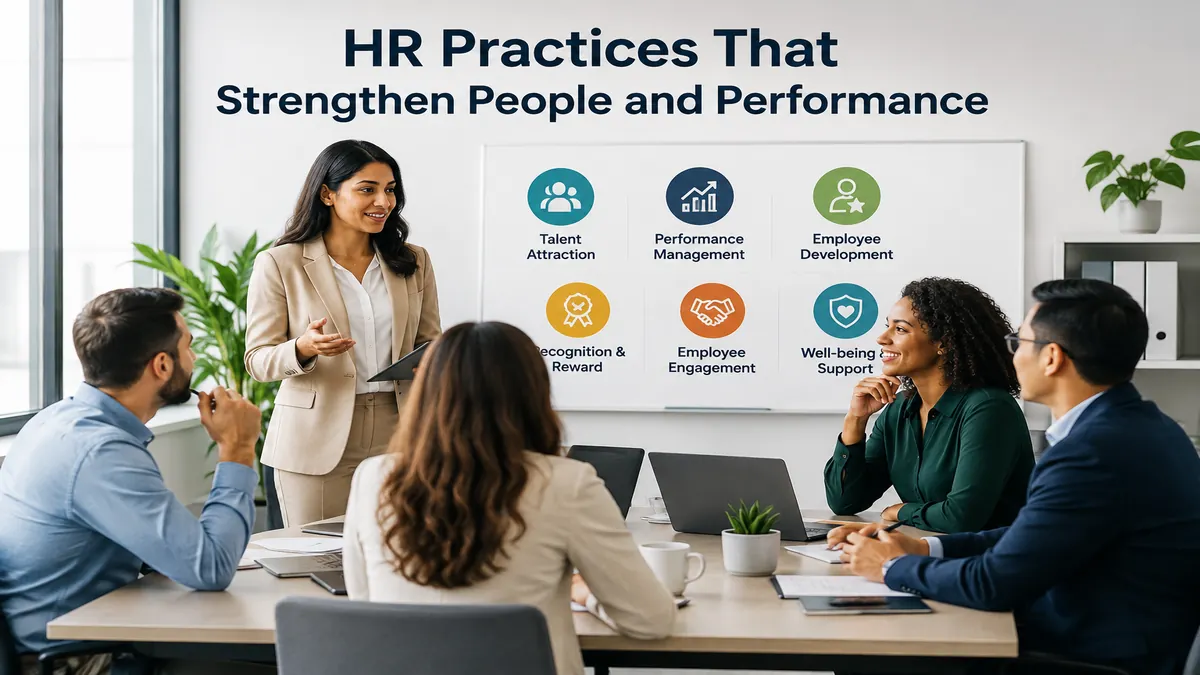
Strong human resource practices help organisations build capable teams, improve employee engagement and create a workplace where people can perform at their best. HR is no longer limited to recruitment, attendance and employee records. It plays an important role in developing talent, supporting managers and aligning people with business objectives.
For businesses in Surat, where companies across manufacturing, textiles, IT, services, retail and other sectors compete for skilled professionals, effective HR practices can make a meaningful difference. A well-planned HR approach helps businesses attract suitable employees, retain valuable talent and create a productive working environment.
Strategic Workforce Planning
Effective HR begins with understanding the organisation’s current and future workforce requirements. Workforce planning helps businesses identify the skills they need, assess existing capabilities and prepare for future roles.
HR teams can work closely with department heads to understand upcoming projects, expansion plans and skill requirements. This makes recruitment more focused and reduces the risk of hiring without a clear understanding of long-term business needs.
For growing businesses in Surat, strategic workforce planning can also help organisations prepare for changing market requirements and increasing competition for skilled professionals.
Hiring the Right Talent
Recruitment is one of the most important HR practices because the quality of hiring directly influences team performance. A strong recruitment process should look beyond qualifications and consider experience, practical skills, communication abilities and cultural fit.
Clear job descriptions can help attract candidates who understand the expectations of the role. Structured interviews and skill-based assessments can further support better hiring decisions.
Local businesses can also strengthen recruitment by building relationships with professional networks, educational institutions and recruitment channels in Surat. A strong local hiring strategy can help organisations access relevant talent while reducing unnecessary recruitment delays.
Employee Onboarding and Integration
Recruitment does not end when a candidate accepts an offer. A structured onboarding process helps new employees understand their responsibilities, workplace expectations and organisational culture.
A good onboarding programme can include an introduction to the team, role-specific training, company policies and guidance on internal processes. Assigning a manager or experienced colleague to support a new employee during the initial period can also make the transition easier.
When employees understand their roles from the beginning, they are more likely to become productive and confident within the organisation.
Training and Skill Development
Employee development is an important part of long-term organisational performance. Skills can become outdated as technology, customer expectations and business processes change, making regular training increasingly important.
HR teams can identify development requirements through performance discussions, manager feedback and skills assessments. Training may cover technical knowledge, communication, leadership, project management or industry-specific skills.
For companies in Surat, investing in employee training can help develop internal talent rather than relying entirely on external hiring when new skills are required.
Performance Management
A clear performance management process helps employees understand what is expected of them and how their work contributes to organisational goals.
Instead of relying only on annual appraisals, businesses can encourage regular performance discussions. Managers can review progress, identify challenges and provide practical feedback throughout the year.
Well-defined goals should be measurable and relevant to each employee’s role. This creates greater clarity and gives employees a better understanding of how their performance is evaluated.
Employee Engagement
Employee engagement has a direct connection with workplace experience and productivity. Employees are more likely to contribute positively when they feel respected, supported and involved in the organisation.
HR teams can strengthen engagement through regular communication, employee feedback, recognition programmes and opportunities for professional development.
Simple practices can make a difference. Recognising good work, listening to employee concerns and maintaining transparent communication can help create a healthier workplace culture.
Compensation and Benefits
Competitive compensation is an important factor in attracting and retaining skilled employees. HR teams should regularly review salary structures and benefits to ensure they remain appropriate for the organisation, industry and local talent market.
Businesses operating in Surat should also consider the expectations of professionals within their sector when reviewing compensation packages. Along with salary, benefits such as performance incentives, leave policies, insurance, learning opportunities and flexible working arrangements can influence employee satisfaction.
A well-structured compensation strategy can help businesses remain competitive while managing workforce costs responsibly.
Leadership Development
Strong leadership is essential for maintaining team performance. HR departments can identify employees with leadership potential and provide opportunities to develop their managerial capabilities.
Leadership development can include mentoring, management training, project ownership and exposure to cross-functional responsibilities.
Developing leaders internally also creates a stronger succession pipeline. Employees can see potential career paths within the organisation, while businesses can prepare capable professionals to take on future responsibilities.
Employee Well-Being
A productive workplace should also support employee well-being. Excessive workload, unclear expectations and poor communication can affect morale and performance over time.
HR teams can encourage a healthier working environment by promoting reasonable workloads, open communication and appropriate support systems. Managers should also be trained to recognise workplace concerns and address them constructively.
Employee well-being should not be treated as a separate initiative. It should form part of the organisation’s broader approach to people management.
Building an Inclusive Workplace Culture
A positive workplace culture influences how employees communicate, collaborate and approach their responsibilities. HR plays an important role in establishing clear workplace standards and encouraging respectful professional behaviour.
Policies should be communicated clearly, while managers should apply them consistently. Employees should also have appropriate channels for raising concerns or providing feedback.
A culture based on respect, accountability and collaboration can create stronger relationships between employees and management.
HR Technology and Data-Driven Decisions
Technology can make HR processes more efficient and provide useful insights for decision-making. HR software can help organisations manage employee records, attendance, recruitment, performance reviews and other administrative processes.
HR teams can also use workforce data to identify patterns such as employee turnover, absenteeism, recruitment timelines and training requirements.
Using accurate data allows HR professionals to move beyond assumptions and make more informed workforce decisions.
Why Effective HR Practices Matter for Business Growth
Strong HR practices create value by improving the way organisations attract, develop and retain employees. Better recruitment can improve team capability, while training and performance management can support productivity.
For businesses in Surat, a structured HR approach can also provide an advantage in a competitive employment market. Organisations that offer clear career development, supportive workplace practices and fair performance management can build stronger relationships with employees.
HR therefore becomes an important business function rather than simply an administrative department.
Explore the Role of Training in Human Resource Development Strategy
Conclusion
Effective HR practices strengthen both people and organisational performance. From workforce planning and recruitment to employee development, performance management and engagement, each practice contributes to creating a more capable and motivated workforce.
For businesses in Surat, investing in structured human resource practices can help attract local talent, develop existing employees and support sustainable growth. Success Options can help organisations build practical HR strategies that align people, processes and business objectives, creating a workplace where employees can contribute effectively and businesses can grow with confidence.