
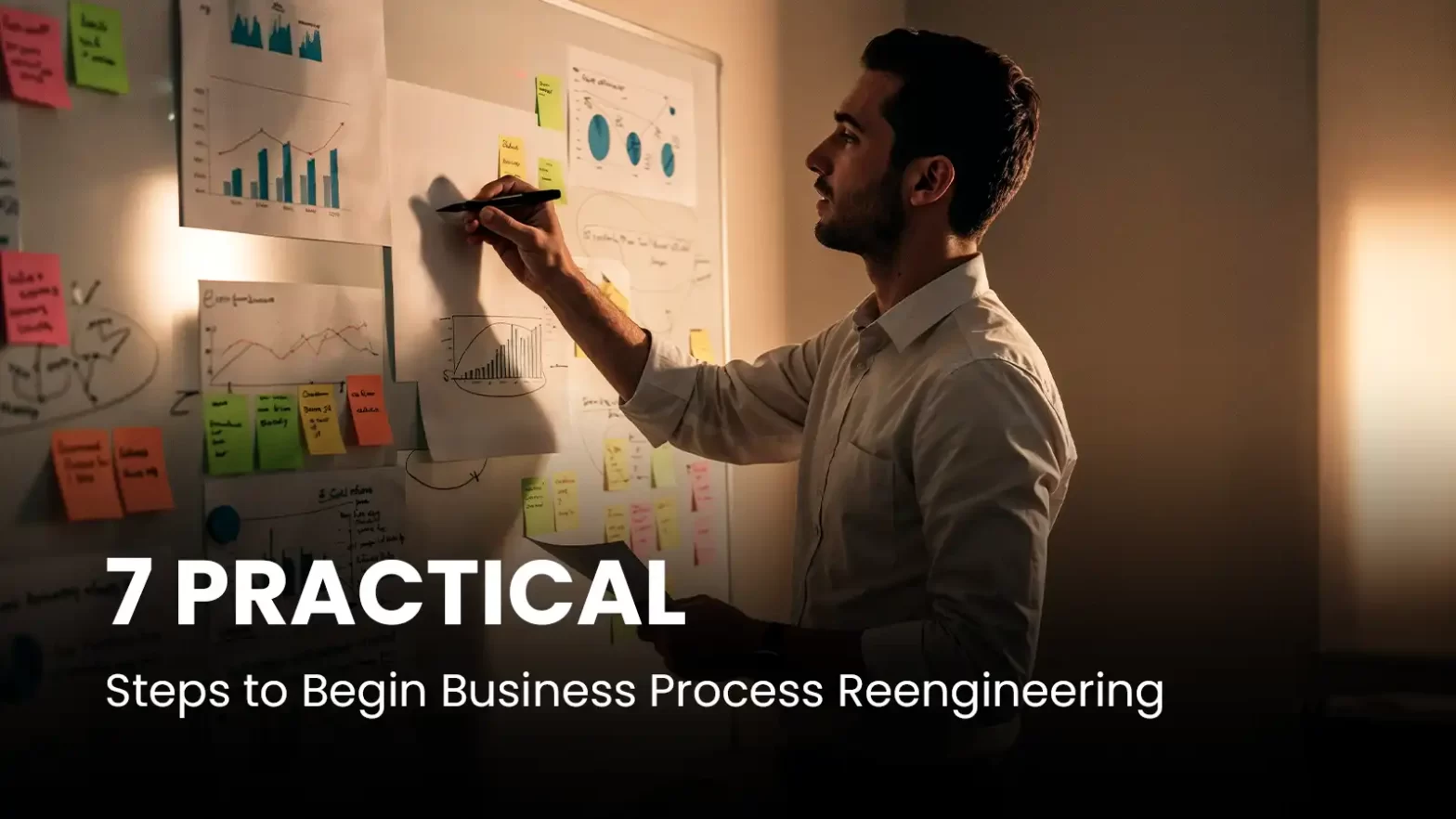
Organisations today operate in environments that demand speed, clarity, and adaptability. When processes become outdated, inefficient, or overly complex, performance begins to suffer. Business Process Reengineering, often referred to as BPR, offers a structured way to rethink and redesign workflows to achieve significant improvements in productivity and effectiveness.
At Success Options, Business Process Reengineering is viewed as a strategic initiative rather than a quick fix. It requires clear intent, leadership alignment, and a people-focused approach. Here are seven practical steps organisations can follow to begin their reengineering journey with confidence.
1. Define Clear Business Objectives
The first step in Business Process Reengineering is clarity. Organisations must clearly define what they want to achieve through process change. This could include improving efficiency, reducing turnaround time, enhancing customer experience, or eliminating unnecessary costs.
Without clear objectives, reengineering efforts risk becoming unfocused. Goals should align with overall business strategy so that every process change supports long-term organisational direction.
2. Secure Leadership Commitment
Strong leadership support is essential for successful reengineering. Process changes often require shifts in roles, responsibilities, and ways of working, which can create uncertainty among employees.
When senior leaders actively support the initiative, it sends a clear message that reengineering is a priority. Leadership involvement also helps remove obstacles, allocate resources, and maintain momentum throughout the transformation.
3. Identify Critical Processes for Review
Not all processes need to be redesigned at once. The next step is to identify which processes have the greatest impact on performance, customer satisfaction, or cost efficiency.
Focusing on high-impact processes allows organisations to see meaningful results early. This targeted approach also reduces disruption and helps teams build confidence in the reengineering effort.
4. Analyse Existing Processes Thoroughly
Before redesigning any process, it is important to understand how it currently works. This includes mapping workflows, identifying bottlenecks, and examining where delays or errors occur.
Data plays an important role at this stage. Analysing performance metrics, feedback, and operational outcomes helps organisations move beyond assumptions and make informed decisions about what needs to change.
5. Engage Employees in the Reengineering Process
Employees who work within the processes every day have valuable insights. Involving them early helps uncover practical challenges and realistic improvement opportunities.
Employee participation also reduces resistance to change. When people feel heard and included, they are more likely to support new ways of working and take ownership of redesigned processes.
6. Redesign Processes with a Customer Focus
Business Process Reengineering is not just about internal efficiency. It should also improve the experience for customers, whether internal or external.
Redesigned processes should simplify workflows, reduce handoffs, and eliminate steps that do not add value. A customer-focused mindset ensures that changes lead to faster service, better quality, and clearer outcomes.
7. Implement Changes Gradually and Measure Results
Successful reengineering does not end with design. Implementation should be planned carefully, with clear communication, training, and support.
Once changes are introduced, organisations must measure results against defined objectives. Regular reviews help identify what is working, what needs adjustment, and how processes can continue to improve over time.
Why a Structured Approach Matters
Business Process Reengineering can deliver significant benefits when done thoughtfully. A structured approach helps organisations avoid common pitfalls such as rushed implementation, lack of alignment, or employee resistance.
Success Options emphasises disciplined execution, stakeholder involvement, and continuous evaluation to ensure that reengineering efforts create sustainable improvement rather than short-term change.
Also, Read Why Customised Training Works Better Than Generic Workshops?
Conclusion
Beginning Business Process Reengineering requires clarity, commitment, and careful planning. By defining objectives, engaging leaders and employees, and focusing on meaningful process improvements, organisations can build stronger, more efficient ways of working. With the right guidance and structured approach, reengineering becomes a powerful tool for long-term performance and growth.