
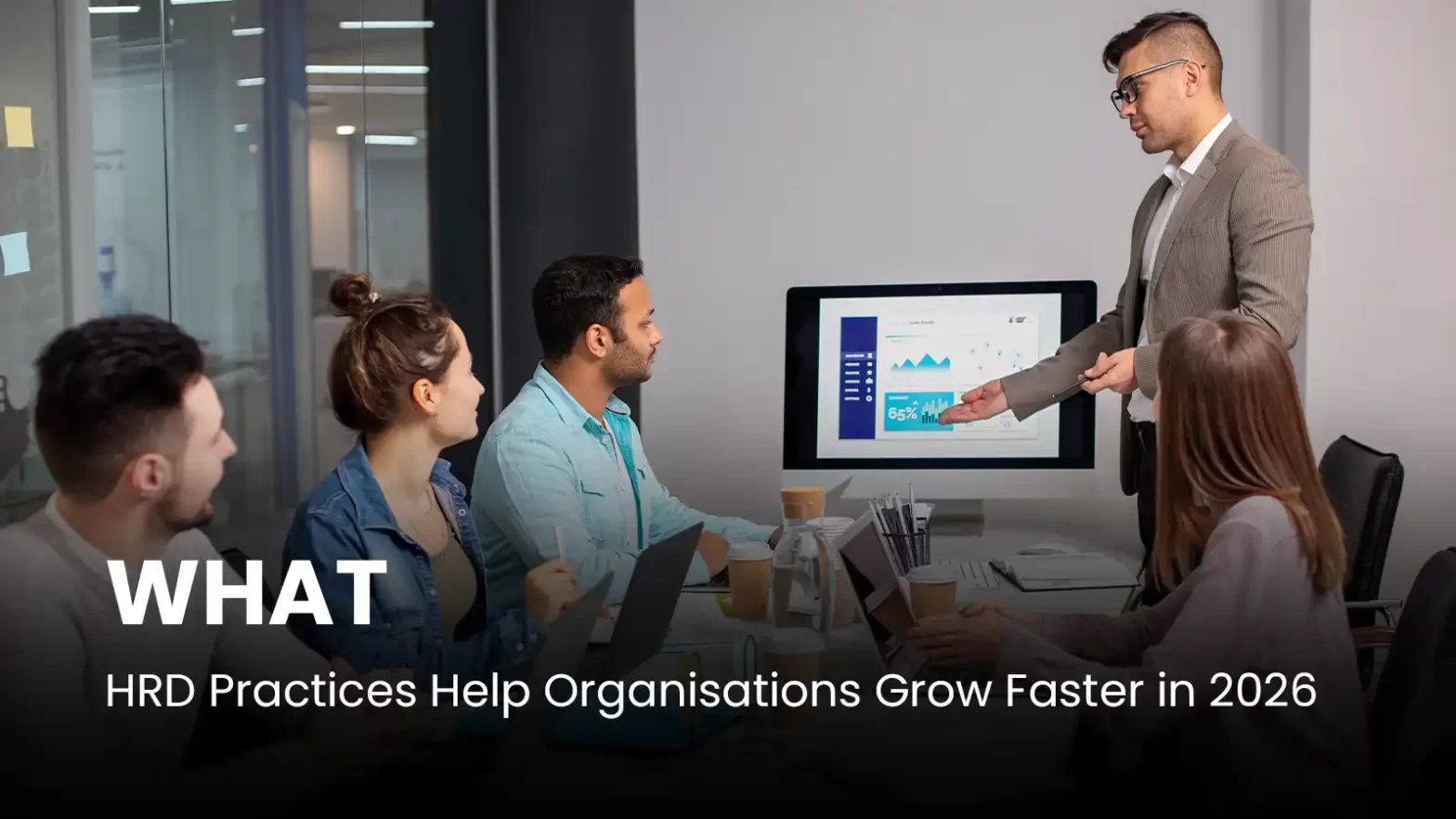
As organisations move into 2026, growth is no longer driven only by technology or market expansion. The ability to develop people, build leadership strength, and create adaptable teams has become a defining factor for long-term success. Human Resource Development, or HRD, plays a critical role in shaping organisations that can respond quickly to change while maintaining performance and engagement.
Success Options works closely with organisations to strengthen capability, alignment, and culture. The HRD practices that will support faster growth in 2026 focus on skill relevance, leadership depth, and continuous learning rather than one-time interventions.
Building Skills That Match Future Business Needs
One of the most important HRD practices is aligning learning with future skill requirements. Rapid changes in roles, technology, and customer expectations demand continuous upskilling and reskilling.
Organisations that invest in role-specific and capability-based learning are better prepared to meet emerging challenges. HRD teams must focus on identifying skill gaps early and designing development pathways that support both individual growth and business priorities.
Leadership Development at All Levels
Leadership is no longer limited to senior roles. In 2026, organisations grow faster when leadership capability is built across all levels, including first-time managers and individual contributors with influence.
Effective HRD practices focus on developing decision-making, communication, and people management skills. Strong leadership pipelines reduce dependency on a few individuals and create resilience across the organisation.
Personalised Learning Over Generic Training
Generic training programmes often fail to create a meaningful impact. Organisations are moving towards customised learning experiences that address real workplace challenges.
HRD practices that involve diagnostic assessments, tailored workshops, and context-specific interventions deliver stronger results. When learning is relevant and practical, employees apply it more effectively, leading to improved performance and faster growth.
Embedding a Culture of Continuous Learning
In fast-growing organisations, learning is not treated as an event but as an ongoing process. HRD plays a key role in embedding learning into daily work routines.
Encouraging reflection, knowledge sharing, and peer learning helps organisations adapt quickly. A continuous learning culture supports innovation, problem-solving, and sustained capability development.
Strengthening Employee Engagement and Retention
Growth depends on retaining skilled and motivated employees. HRD practices that support career development, internal mobility, and meaningful feedback contribute to higher engagement.
When employees see clear growth opportunities within the organisation, they are more likely to stay committed. This reduces turnover costs and preserves organisational knowledge.
Data-Informed Development Decisions
HRD in 2026 relies increasingly on data to guide decisions. Measuring learning effectiveness, performance improvement, and behavioural change helps organisations refine development strategies.
Using data to evaluate what works allows HRD teams to focus investments on high-impact initiatives. This disciplined approach supports faster and more sustainable growth.
Supporting Change and Organisational Agility
Change is constant, and HRD practices must support adaptability. Development initiatives that build resilience, collaboration, and change readiness help organisations respond to shifting priorities.
HRD teams that work closely with business leaders can design interventions that support transformation efforts and minimise disruption during periods of change.
Integrating HRD with Business Strategy
HRD delivers the greatest value when it is closely aligned with organisational strategy. In 2026, HRD leaders must act as strategic partners rather than support functions.
When development initiatives are directly linked to business goals, organisations experience clearer outcomes, stronger accountability, and accelerated growth.
Why These HRD Practices Matter for 2026
Organisations that grow faster are those that invest deliberately in people development. HRD practices that focus on relevance, leadership, learning culture, and engagement create a strong foundation for performance and innovation.
Success Options emphasises practical, people-centred HRD solutions that align capability development with organisational goals. This approach enables businesses to grow with confidence in an evolving environment.
Also Read 7 Practical Steps to Begin Business Process Reengineering
Conclusion
HRD practices will play a defining role in how organisations grow in 2026. By focusing on future-ready skills, leadership development, personalised learning, and continuous growth, organisations can build the capability needed to move faster and perform better. With a strategic and thoughtful HRD approach, supported by partners like Success Options, growth becomes both sustainable and people-driven.