
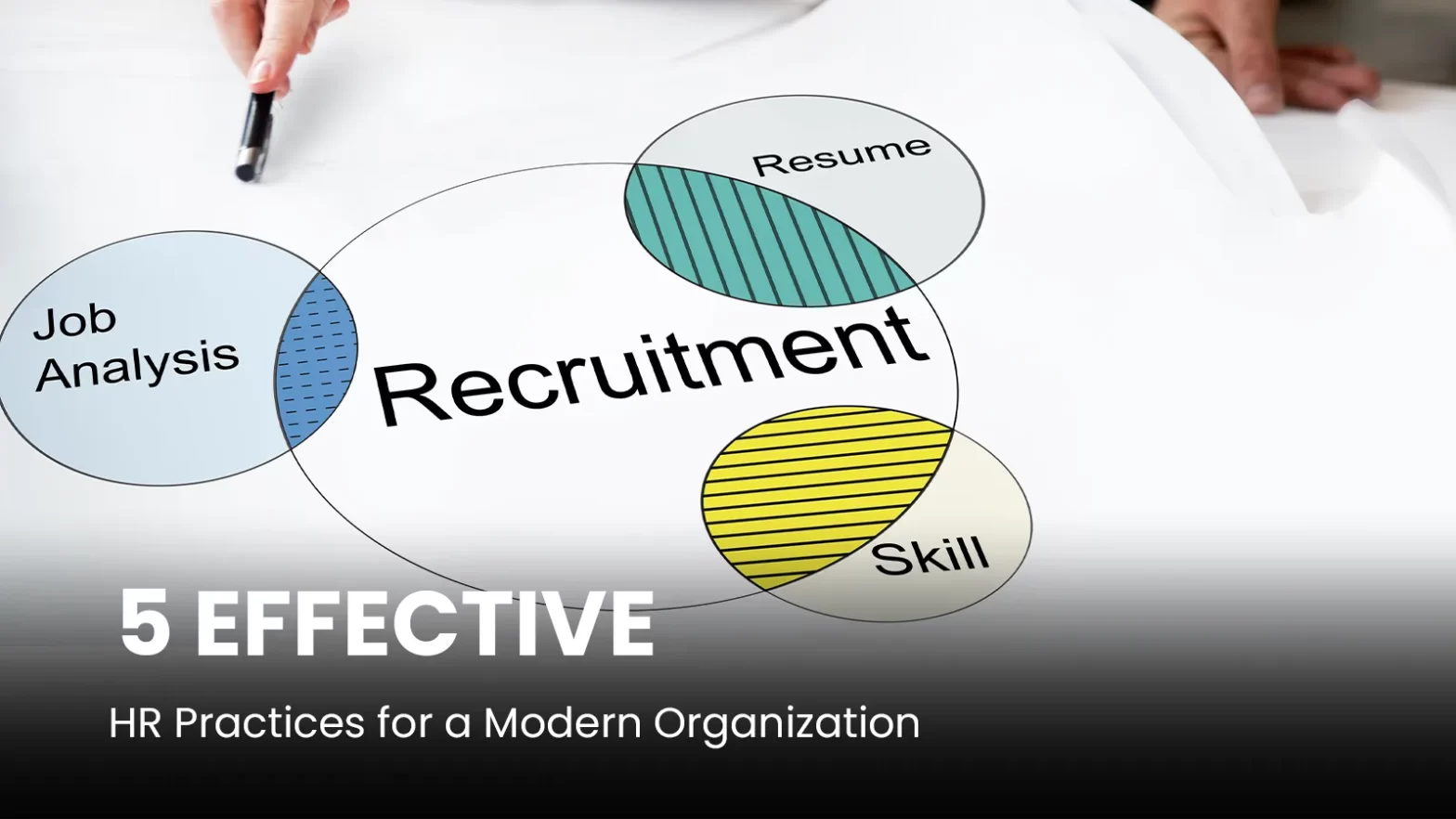
Modern organisations operate in environments that demand agility, clarity, and consistent performance. As business models evolve, human resource practices must also adapt to support both people and organisational goals. HR is no longer limited to administrative functions. It plays a central role in shaping culture, improving performance, and enabling long-term growth.
Effective HR practices focus on building systems that align employees with organisational direction while supporting individual development. Below are five practical approaches that contribute to a stronger and more resilient organisation.
1. Clear Role Definition and Accountability
Unclear roles often lead to confusion, delays, and reduced productivity. Employees perform better when they understand their responsibilities and how their work contributes to broader organisational goals.
Defining roles clearly helps eliminate duplication of effort and improves coordination between teams. Accountability structures ensure that tasks are owned and completed within defined timelines.
This clarity creates a more disciplined and efficient work environment.
2. Structured Performance Management
Performance management should go beyond annual reviews. Continuous evaluation and feedback allow employees to improve consistently rather than waiting for formal appraisal cycles.
Setting measurable goals, conducting periodic reviews, and providing constructive feedback help align individual performance with organisational expectations.
A structured approach ensures fairness and transparency, which strengthens trust within teams.
3. Leadership Development Across Levels
Strong leadership is essential for organisational stability. Employees often look to their managers for direction, support, and decision-making clarity.
Investing in leadership development helps build capabilities such as communication, conflict resolution, and strategic thinking. This ensures that leaders at all levels are equipped to guide teams effectively.
Success Options works with organisations to strengthen leadership alignment and develop structured frameworks that support long-term growth.
4. Employee Engagement and Communication
Engaged employees contribute more actively to organisational success. Open communication channels allow employees to share feedback, raise concerns, and participate in decision-making processes.
Regular interactions, team discussions, and feedback mechanisms create a sense of involvement. Transparent communication during organisational changes also reduces uncertainty and improves trust.
A culture of open communication supports collaboration and reduces internal friction.
5. Continuous Learning and Skill Development
Professional growth is a key factor in employee retention. Organisations that provide opportunities for learning create an environment where employees feel valued and motivated.
Training programmes, mentoring, and exposure to new responsibilities help employees build relevant skills. Learning initiatives should be aligned with business needs to ensure practical application.
Continuous development strengthens both individual capability and organisational performance.
Also, Read How to Improve Workplace Productivity with Simple Strategies?
Why These Practices Matter
Effective HR practices create a foundation for consistent performance and long-term growth. When employees have clarity, support, and opportunities to develop, they are more likely to remain engaged and committed.
Organisations benefit through improved productivity, reduced attrition, and stronger team alignment. Structured HR systems also make it easier to manage change and maintain stability during transitions.
Success Options focuses on helping organisations build these systems through practical and structured approaches to organisational development.
Conclusion
Modern organisations require HR practices that support clarity, development, and engagement. Clear roles, structured performance management, strong leadership, open communication, and continuous learning form the foundation of effective HR systems. These practices improve both employee experience and organisational outcomes. Success Options partners with organisations to build frameworks that support sustainable growth and long-term success.