
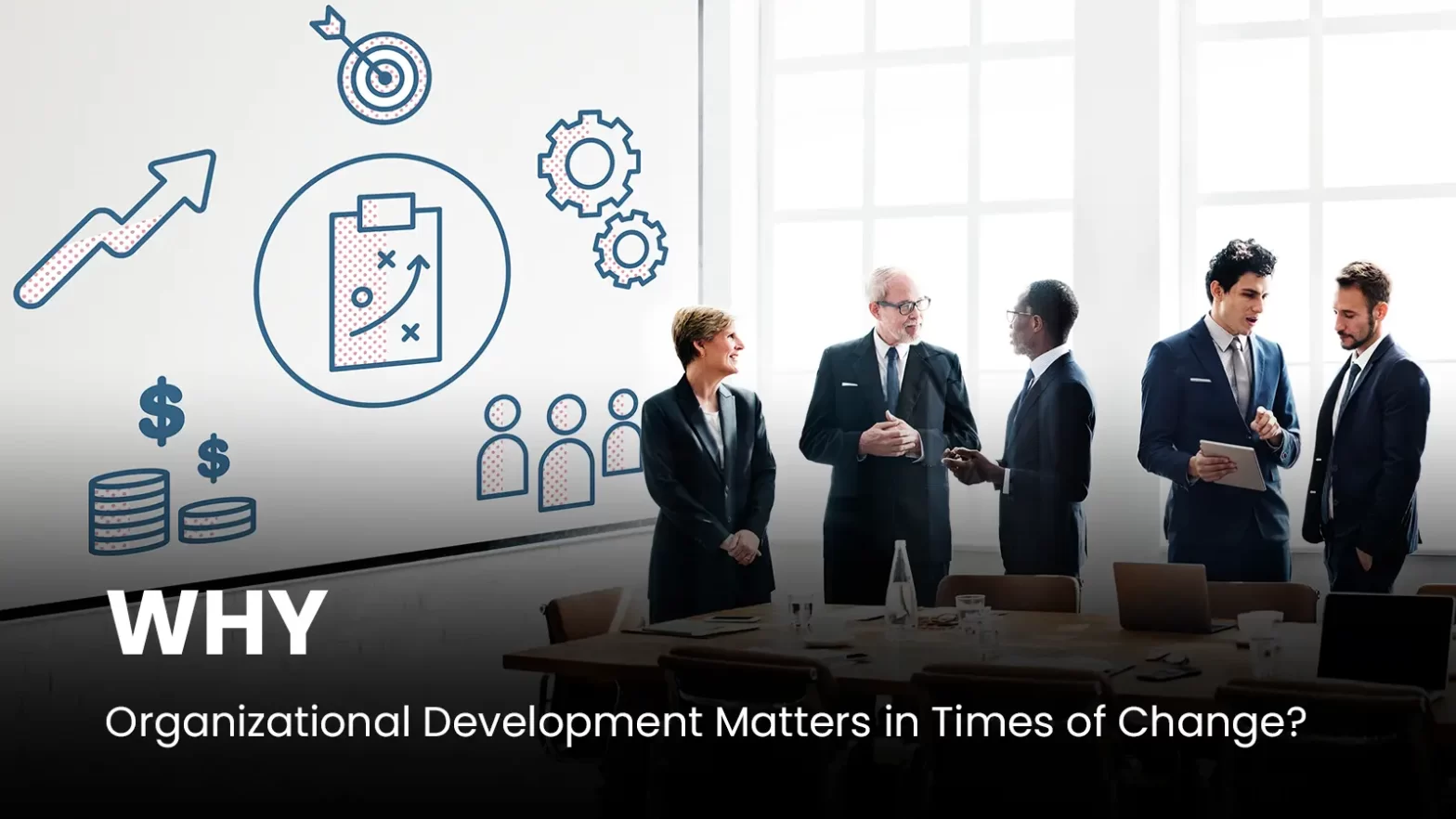
Change has become a constant in modern organisations. Shifts in markets, technology, leadership, and workforce expectations mean that stability is no longer guaranteed by past success. During such periods, organisations often focus on speed and execution, sometimes overlooking the people and systems that must carry the change forward.
This is where organisational development plays a critical role. At Success Options, organisational development is viewed as the framework that helps businesses navigate change without losing clarity, capability, or culture.
Change Impacts More Than Structures
When organisations change, the impact goes far beyond reporting lines or processes. Roles evolve, expectations shift, and long-standing habits are challenged.
Without a deliberate approach to organisational development, these changes can create confusion and resistance. Employees may struggle to understand what is expected of them or how their work contributes to new goals. Organisational development helps make sense of change by aligning structure, behaviour, and purpose.
Supporting People Through Uncertainty
Uncertainty is one of the most difficult aspects of change. Even positive change can create anxiety when people feel unprepared or unheard.
Organisational development focuses on building understanding and involvement. It encourages open communication, capability building, and leadership support. When people feel included in the change journey, they are more likely to engage constructively rather than withdraw.
Strengthening Leadership During Transition
Leadership behaviour sets the tone during times of change. Leaders are expected to provide direction, reassurance, and consistency even when answers are not always clear.
Organisational development supports leaders by helping them develop the skills needed to guide teams through transition. This includes communication, decision-making, and the ability to manage resistance with empathy and clarity.
Aligning Systems With New Directions
Change often introduces new strategies, priorities, or ways of working. If organisational systems do not adapt accordingly, misalignment quickly appears.
Performance management, decision processes, and role clarity all need to reflect the new direction. Organisational development ensures that systems support change rather than undermine it. This alignment reduces friction and improves execution.
Maintaining Culture While Evolving
Culture does not disappear during change, but it can be disrupted. Values that once guided behaviour may feel unclear or inconsistent.
Organisational development helps organisations consciously examine which cultural elements should be preserved and which need to evolve. This prevents change from eroding trust or identity while allowing growth to take place.
Building Long-Term Change Capability
One of the most important benefits of organisational development is that it builds capability beyond a single change initiative.
Organisations that invest in development are better prepared for future shifts. They learn how to adapt, reflect, and improve continuously rather than reacting each time a change occurs.
Why Organisational Development Is Not Optional
In times of change, focusing only on outcomes can lead to short-term results but long-term instability. Organisational development ensures that change is absorbed, understood, and sustained.
Success Options works with organisations to embed development into the change process, not as an add-on but as a core element of transformation.
Also, Read What Role Leadership Plays in Business Process Re-engineering?
Conclusion
Change challenges every part of an organisation, not just its strategy. Organisational development matters because it helps people understand change, leaders guide it effectively, and systems support it consistently. In uncertain times, it provides the stability needed to move forward with confidence and purpose.