
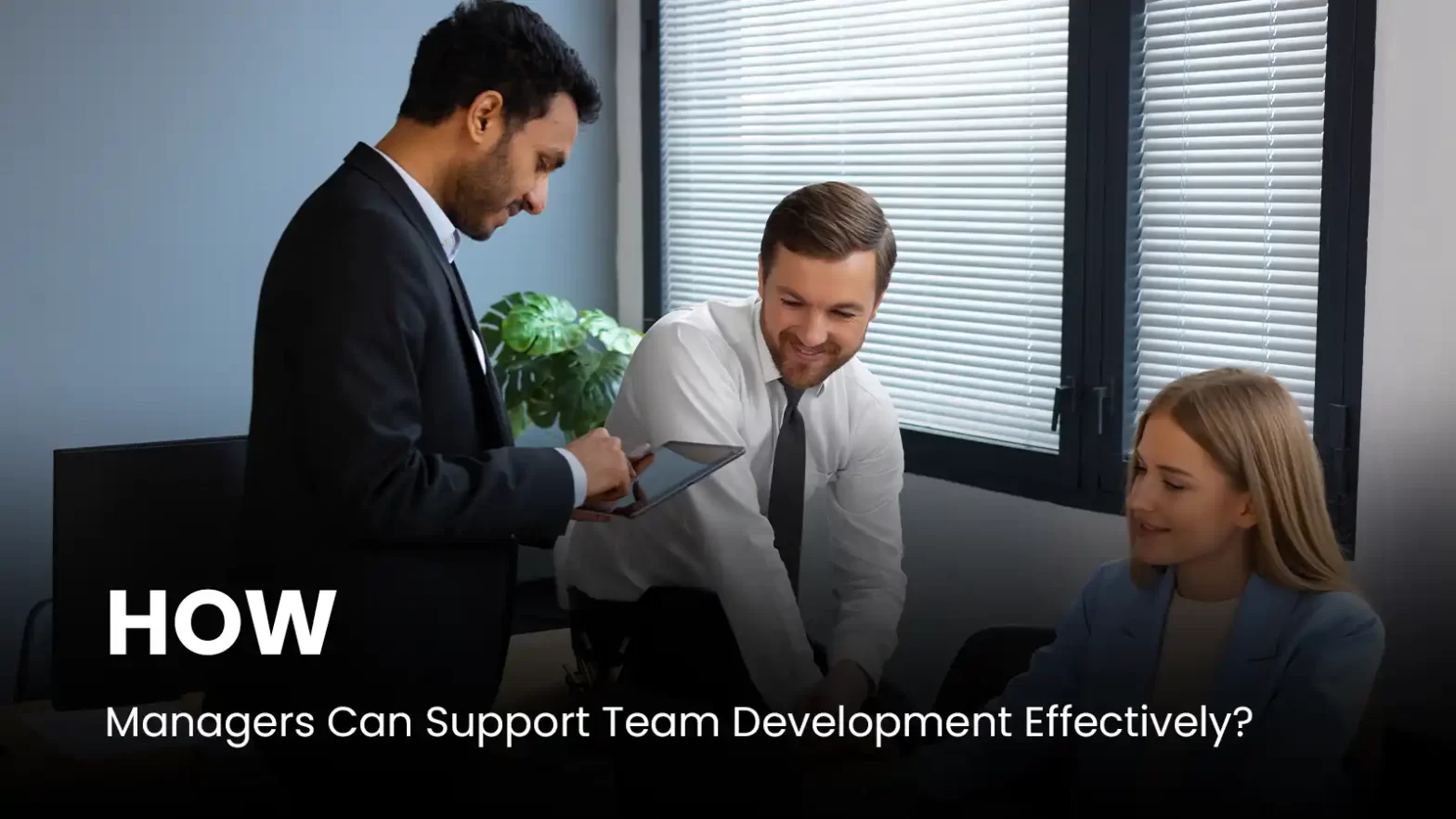
Team development does not happen through training sessions alone. It is shaped daily through how managers communicate, guide, and support their teams. Employees often learn more from everyday interactions than from formal programmes.
Managers play a central role in creating environments where people feel encouraged to grow. When support is consistent and genuine, teams develop confidence, capability, and stronger working relationships.
Create Clarity Around Roles and Expectations
Development starts with clarity. When people understand what is expected of them, they are better able to focus on improving their skills and performance.
Managers can support development by setting clear goals, explaining priorities, and checking alignment regularly. This reduces confusion and allows team members to concentrate on meaningful work rather than second-guessing expectations.
Encourage Open and Honest Communication
Teams develop faster when communication feels safe. People are more willing to ask questions, share ideas, and admit mistakes when they feel heard.
Managers who listen without judgment and respond thoughtfully create trust. This openness supports learning, problem-solving, and continuous improvement within the team.
Support Learning Through Everyday Work
Development does not always require formal training. Daily tasks, challenges, and projects offer valuable learning opportunities.
Managers can support growth by involving team members in new responsibilities, encouraging problem-solving, and allowing space to learn through experience. Small stretch opportunities often lead to meaningful skill development.
Provide Regular and Constructive Feedback
Feedback is essential for development, but it needs to be handled carefully. Generic praise or delayed feedback rarely supports growth.
Effective managers offer timely, specific feedback that focuses on behaviour and outcomes. Balanced feedback helps individuals understand what they are doing well and where improvement is needed, without damaging confidence.
Recognize Effort as Well as Results
Development is a process, not an instant outcome. Recognizing effort, progress, and learning encourages people to keep improving.
When managers acknowledge growth, even when results are still developing, it reinforces positive behaviour and builds motivation across the team.
Adapt Support to Individual Needs
Every team member develops differently. Some prefer guidance and structure, while others thrive with autonomy.
Managers who take time to understand individual strengths, challenges, and aspirations can offer more relevant support. This personalized approach makes development feel meaningful rather than forced.
Build Trust Through Consistency
Trust grows when managers act consistently. Following through on commitments, being fair in decisions, and communicating openly all contribute to a stable environment.
When trust is present, team members feel more comfortable taking responsibility and developing new skills without fear of blame.
Encourage Collaboration and Shared Learning
Team development is not only about individual growth. Collaboration allows people to learn from one another.
Managers can support this by encouraging knowledge sharing, cross-functional work, and peer support. Strong teams grow together by combining experience and perspectives.
Why Manager Support Matters for Long-Term Development
Without manager support, development efforts often feel disconnected from daily work. When managers are actively involved, learning becomes part of the team culture rather than an occasional activity.
Success Options works with organisations to strengthen leadership practices that support sustainable team development through everyday management behaviours.
Also, read Why Organisational Development Matters in Times of Change?
Conclusion
Managers influence team development more through daily actions than formal processes. Clear communication, trust, feedback, and personalised support create environments where people feel confident to grow. When managers take an active role in supporting development, teams become more capable, engaged, and resilient over time.