
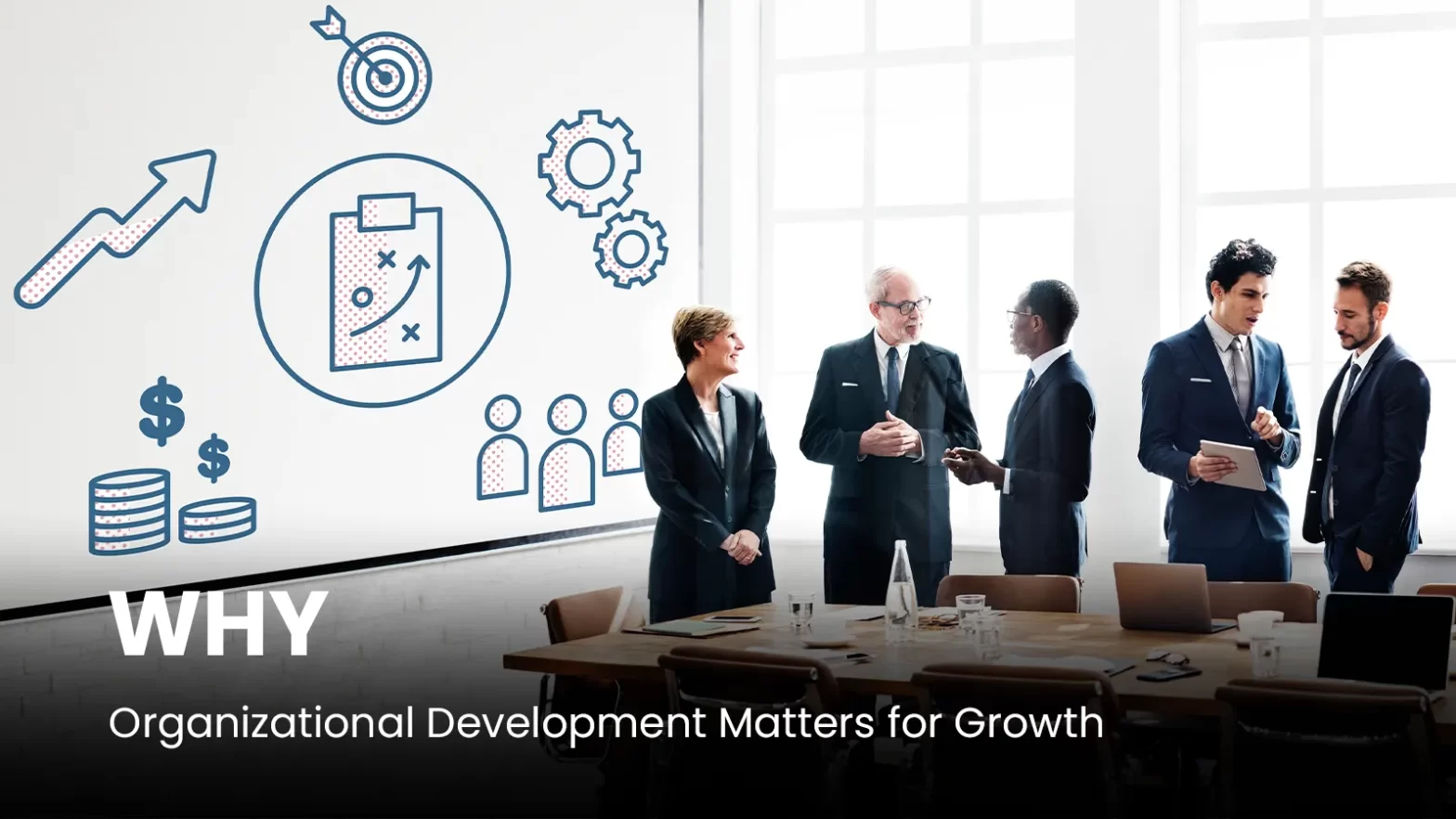
Business growth is often associated with increased revenue, larger teams, or market expansion. However, sustainable growth depends on something deeper. Organisations must build internal structures, leadership capability, and workforce alignment that can support long-term progress. This is where organisational development becomes essential.
Organisational development focuses on improving how a company functions through structured systems, leadership practices, communication, and employee development. It ensures that growth is supported by operational clarity rather than short-term momentum.
Creating Alignment Across the Organisation
As businesses expand, maintaining alignment becomes more challenging. Teams may begin operating independently, communication gaps can emerge, and priorities may become unclear.
Organisational development helps establish clear structures and shared objectives. It aligns departments, leadership teams, and employees towards common goals. This clarity improves coordination and reduces inefficiencies.
When employees understand the direction of the organisation, execution becomes more consistent.
Strengthening Leadership Capability
Leadership quality has a direct impact on organisational performance. Managers influence communication, decision-making, accountability, and team culture.
Organisational development supports leadership growth through structured training, coaching, and development frameworks. This helps leaders manage teams more effectively and adapt to changing business conditions.
Strong leadership creates stability during periods of growth and transition.
Improving Employee Performance and Engagement
Employees perform better when they operate within well-defined systems and supportive environments. Organisational development focuses on creating conditions that encourage collaboration, accountability, and continuous improvement.
Clear role definitions, performance management systems, and development opportunities contribute to stronger engagement. Employees are more likely to remain committed when they see opportunities for growth and receive consistent support.
This improves productivity and reduces unnecessary turnover.
Supporting Adaptability During Change
Business environments continue to evolve due to technology, market shifts, and changing customer expectations. Organisations that struggle to adapt often experience operational disruption.
Organisational development helps companies respond to change more effectively by building flexible structures and improving communication processes. Teams become more prepared to manage transitions without losing direction.
Adaptability becomes a long-term organisational strength rather than a reactive process.
Enhancing Communication and Collaboration
Poor communication often creates delays, misunderstandings, and reduced efficiency. Organisational development addresses this by improving how information flows across teams and leadership levels.
Structured communication systems encourage transparency and collaboration. Employees gain clarity on expectations, while leaders receive better visibility into operational challenges.
Improved collaboration supports faster decision-making and stronger teamwork.
Building Sustainable Growth Systems
Growth without structure can create instability. Expanding operations, increasing workforce size, and managing new responsibilities require organised systems.
Organisational development focuses on creating frameworks that support sustainable scaling. This includes leadership alignment, process improvement, succession planning, and workforce capability development.
These systems help organisations maintain performance while managing growth responsibly.
Success Options works with organisations to build structured development frameworks that align leadership, people, and operational processes with long-term business objectives.
Why Organisational Development Is a Long-Term Investment
Organisational development is not a one-time initiative. It is an ongoing process that supports continuous improvement across all levels of the business.
Companies that invest in organisational development are better prepared to manage complexity, improve employee engagement, and sustain growth over time. Structured development also strengthens resilience during periods of uncertainty or change.
Growth becomes more manageable when supported by clear systems and aligned leadership.
Also, Read How Training Differs from Development in Companies?
Conclusion
Organisational development supports sustainable business growth by improving leadership capability, employee engagement, communication, and operational alignment. It creates structured systems that help organisations adapt to change and manage expansion effectively. Long-term success depends on strong internal foundations. Success Options helps organisations develop these foundations through practical and structured organisational development strategies.