
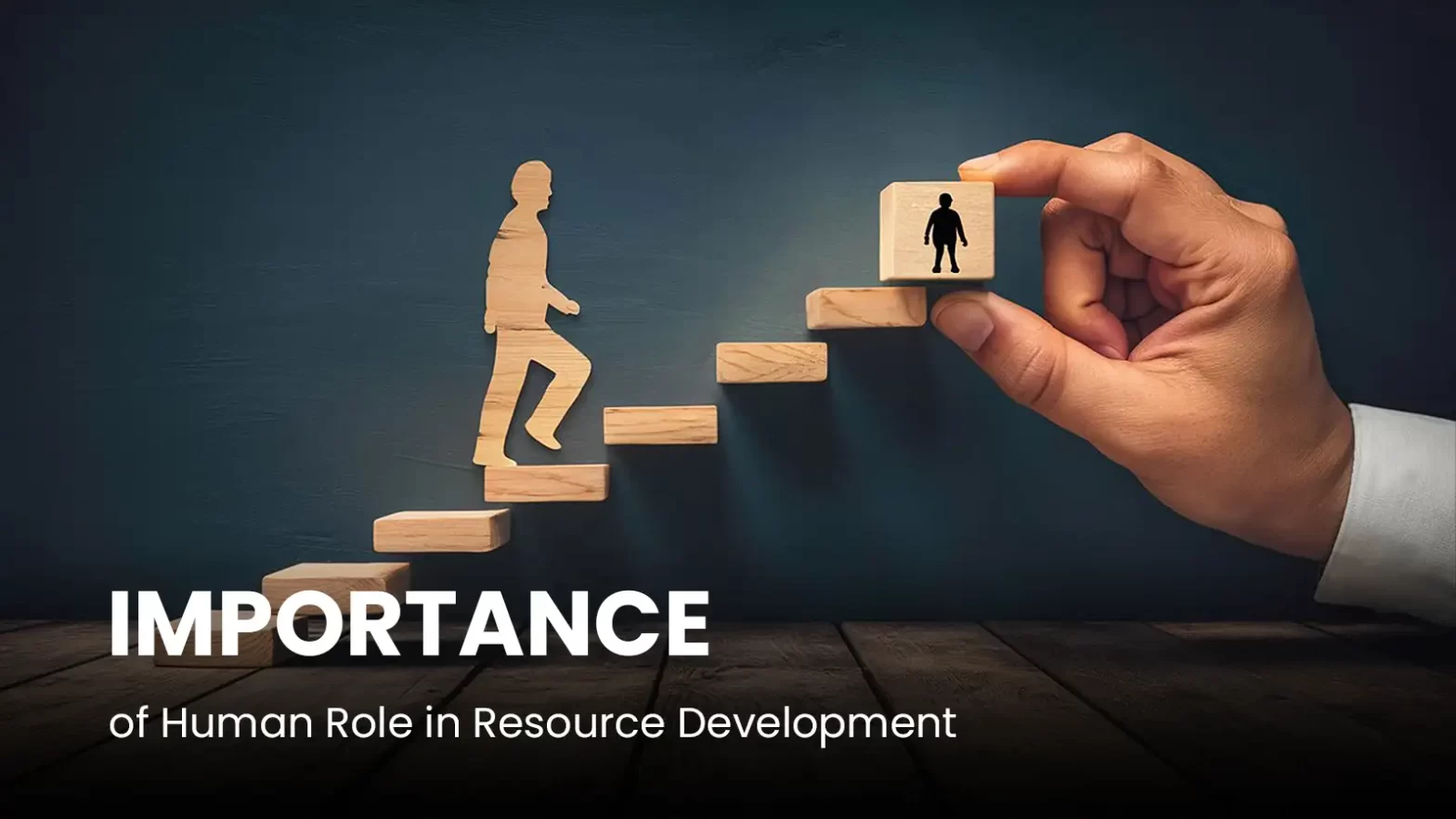
Resource development is often associated with systems, infrastructure, and operational planning. However, the most important element within any organisation remains its people. Human resources play a central role in shaping productivity, decision-making, adaptability, and long-term organisational growth.
Businesses may invest in technology and processes, but without capable individuals to manage and improve them, sustainable development becomes difficult. The human role in resource development focuses on building skills, strengthening leadership, improving collaboration, and aligning people with organisational goals.
People Drive Organisational Performance
Every organisational function depends on human involvement. Employees manage operations, solve problems, communicate with stakeholders, and contribute to decision-making processes.
When individuals are trained, supported, and aligned with business objectives, organisational performance improves naturally. Skilled employees help maintain operational efficiency and support long-term business stability.
Resource development therefore begins with developing people effectively.
Human Capability Supports Innovation
Innovation is not created by systems alone. It comes from individuals who analyse challenges, identify opportunities, and improve existing processes.
Employees who are encouraged to think critically and contribute ideas often help organisations adapt more effectively to changing market conditions. Human resource development creates environments where learning and improvement become part of daily operations.
This supports organisational adaptability and future readiness.
Leadership Development Strengthens Growth
Leadership plays an essential role in resource development. Strong leaders guide teams, maintain accountability, and support organisational direction.
Developing leadership capability helps organisations manage growth more effectively. Leaders influence communication, team engagement, and workplace culture, all of which affect overall performance.
Success Options works with organisations to strengthen leadership capability through structured development frameworks that support long-term organisational objectives.
Skill Development Improves Productivity
Employees perform more effectively when they possess the right skills for their roles. Continuous learning and training help individuals improve efficiency, confidence, and decision-making ability.
Resource development involves identifying skill gaps and providing opportunities for improvement. This may include technical training, behavioural development, or leadership preparation.
Well-developed employees contribute more consistently to organisational success.
Communication and Collaboration Depend on People
Successful organisations rely on strong communication and collaboration across departments and leadership levels. Human interaction remains central to coordination and operational alignment.
Employees who communicate clearly and work collaboratively help reduce misunderstandings and improve workflow efficiency. Organisational development initiatives often focus on strengthening these interpersonal capabilities.
Effective collaboration creates stronger and more stable teams.
Human Resources Support Organisational Stability
Business environments continue to evolve due to market changes, technology, and operational demands. Organisations that invest in people are generally more capable of managing these transitions.
Employees who are adaptable and engaged help businesses respond to change more effectively. Resource development therefore includes preparing individuals not only for current responsibilities but also for future challenges.
Human capability becomes a long-term organisational strength.
Aligning Human Development with Business Goals
Resource development is most effective when employee growth aligns with organisational objectives. Businesses must create systems that connect learning, leadership, and performance with operational priorities.
Structured frameworks help organisations manage this alignment consistently. This includes performance management, leadership development, communication systems, and continuous learning initiatives.
Success Options supports organisations in building structured people development systems that contribute to sustainable business growth.
Why Human Resource Development Matters
Organisations grow when their people grow. Human resource development improves capability, strengthens leadership, and supports organisational adaptability.
Businesses that focus on employee development often experience improved productivity, stronger engagement, and better operational performance. Investing in people creates long-term value beyond immediate results.
Sustainable growth depends on the continuous development of human potential.
Also, Read Why Organisational Development Matters for Growth?
Conclusion
The human role in resource development is essential for organisational growth, productivity, and long-term stability. Skilled employees, strong leadership, and effective collaboration help businesses operate more efficiently and adapt to change. Developing human capability remains one of the most important investments an organisation can make. Success Options helps organisations build structured frameworks that support effective human resource development and sustainable growth.