
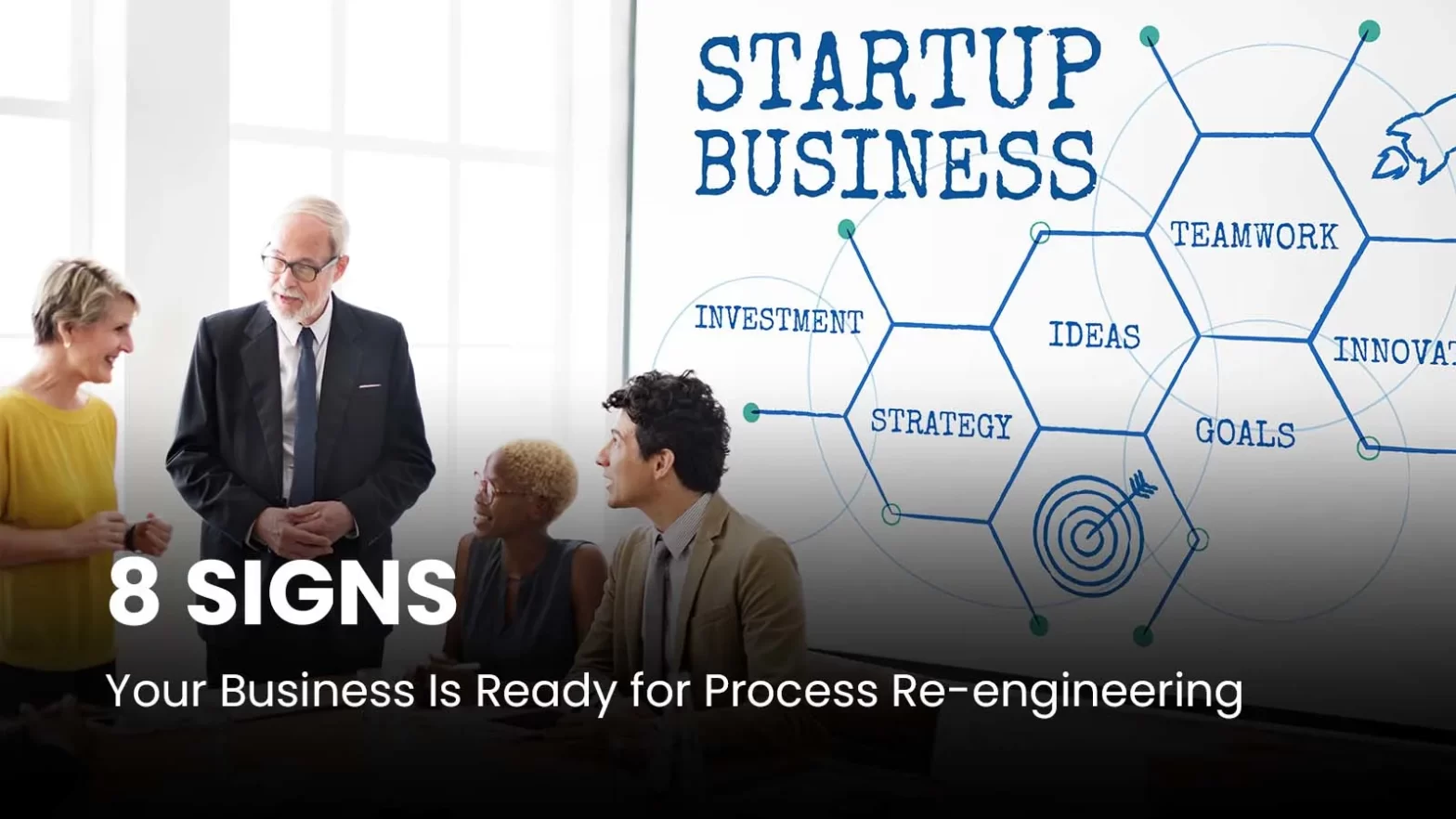
Every growing organisation reaches a point where existing systems, workflows, and processes no longer support its goals. Whether it is delays, rising costs, or inefficiencies across teams, these challenges signal the need for improvement. This is where process re-engineering becomes essential. It helps businesses redesign outdated processes, remove bottlenecks, and align operations with long-term strategy.
For companies looking to strengthen performance, improve productivity, and drive sustainable growth, recognising the right time for change is crucial. Here are eight signs your business is ready for process re-engineering.
1. Productivity Has Become Inconsistent
If output varies from team to team or month to month, it may be due to unclear processes. Inconsistent productivity often means employees follow different methods, rely on manual workarounds, or struggle with outdated tools. This lack of standardisation affects quality, timelines, and overall results.
Process re-engineering introduces structured workflows that bring stability and consistency across operations.
2. Operating Costs Keep Increasing
When costs rise without a clear explanation, it is usually linked to inefficiencies. Duplicate tasks, unnecessary steps, poor resource planning, and time-heavy manual processes increase expenses. Over time, these hidden costs limit growth and reduce profitability.
Re-engineering helps identify cost leaks and replace outdated activities with streamlined, value-driven processes.
3. Customer Complaints Are Increasing
Customers notice when processes are slow, unorganised, or unreliable. Late deliveries, service delays, and inconsistent communication often indicate deeper operational issues. When customer satisfaction declines, it is a strong sign that internal systems need to be reworked.
Process re-engineering helps rebuild workflows that improve speed, accuracy, and service quality.
4. Employees Are Feeling Overwhelmed
When staff spend too much time fixing errors, repeating tasks, or navigating unclear procedures, it leads to frustration and burnout. Low morale and high turnover often point to process problems rather than performance issues.
With clearer responsibilities and improved workflows, employees feel more supported and productive.
5. Your Technology Feels Outdated
If teams rely heavily on manual data entry, spreadsheets, or disconnected software tools, productivity will suffer. Outdated systems slow down decision-making and limit collaboration. Modern businesses need tools that integrate smoothly and support automated workflows.
Process re-engineering helps identify where technology upgrades or automation can make the biggest impact.
6. There Are Frequent Delays in Decision Making
Slow decision cycles often come from fragmented information, unclear reporting structures, or multi-step approvals that take too long. This slows progress and affects responsiveness, especially in competitive markets.
Re-engineering simplifies approval paths and ensures decision makers have accurate, real-time data.
7. Your Business Has Outgrown Its Current Processes
Processes that worked well for a small team may fail once the organisation expands. Growth brings new responsibilities, larger teams, and higher workloads. If your existing systems cannot keep up, it is a clear sign that processes must evolve.
Redesigning workflows ensures that operations remain efficient and scalable as the business grows.
8. You Struggle to Meet Market Demands
When competitors adapt quickly but your organisation takes longer to respond, it becomes difficult to maintain a strong position. Slow product launches, delayed service updates, or inefficient internal coordination can affect market relevance.
Process re-engineering improves agility by ensuring that operations support strategic goals and changing customer needs.
Why Process Re-engineering Matters
Process re-engineering is not simply a corrective measure. It is a long-term investment in efficiency, clarity, and performance. Businesses that redesign their processes experience smoother operations, improved customer satisfaction, better employee morale, and stronger financial outcomes. Recognising the signs early allows organisations to take proactive steps before issues grow larger.
Also, Read 10 Ways Training and Development Boost Employee Retention
Conclusion
If your organisation is noticing delays, rising costs, outdated tools, or inconsistent performance, it may be the right time to re-evaluate your processes. With structured planning and a strategic approach, process re-engineering can transform the way your business operates. Success Options supports organisations in building efficient, scalable, and results-driven workflows that support growth. Start redesigning your processes today to create a stronger and more competitive future.