
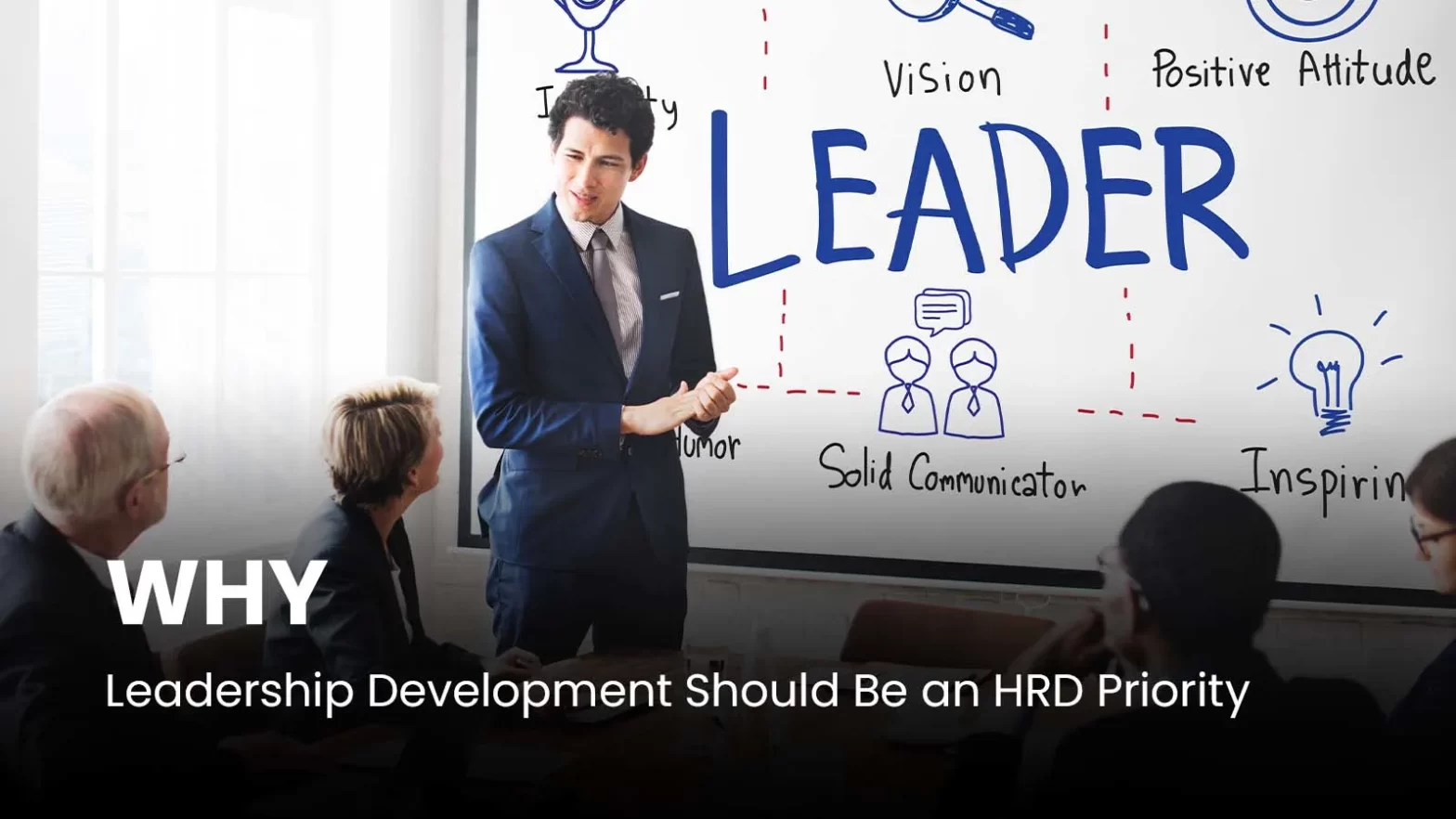
In today’s competitive business environment, leadership is more than a
position of authority; it is the driving force behind employee
motivation, innovation, and organisational growth. Yet, many companies
underestimate the importance of developing their internal leaders.
Leadership development is not just a management strategy; it is a key
component of Human Resource Development (HRD) that determines long-term
success. At Success Options, we believe that nurturing effective leaders
should be at the heart of every organisation’s HRD framework.
Understanding Leadership Development in HRD
Leadership development refers to structured efforts aimed at enhancing
the capabilities of individuals to perform leadership roles effectively.
Within HRD, it focuses on improving skills such as communication,
decision-making, conflict resolution, and strategic thinking. By
investing in these areas, organisations ensure that their leaders are
equipped to manage teams, inspire performance, and drive business
transformation.
The Connection Between HRD and Leadership Growth
HRD and leadership development are deeply interconnected. HRD focuses on
enhancing workforce potential through training, mentoring, and
continuous learning. Leadership development, as part of this framework,
prepares individuals to take on future challenges, ensuring business
continuity and cultural alignment.
A strong HRD strategy without leadership development is incomplete.
Effective leaders shape company culture, influence employee engagement,
and align teams with organisational goals.
1. Strengthens Organisational Vision and Strategy
Leadership development ensures that future leaders understand and align
with the organisation’s long-term vision. When managers are trained to
think strategically, they can communicate objectives clearly and
motivate teams to achieve them. Developing leadership capabilities
across all levels ensures consistent direction and unity within the
company.
2. Improves Employee Retention and Engagement
Employees are more likely to stay in organisations where they see clear
opportunities for growth and strong, supportive leadership. Investing in
leadership programmes not only empowers potential managers but also
fosters trust within teams. HRD departments that prioritise leadership
training often experience higher employee morale and lower turnover.
3. Enhances Decision-Making and Innovation
Modern leaders must make informed decisions in fast-paced environments.
Leadership development programmes teach critical thinking and
problem-solving skills that enable leaders to act confidently and
responsibly. Encouraging innovation and risk-taking within structured
boundaries allows teams to perform more effectively and creatively.
4. Builds a Culture of Accountability
Leadership is not just about authority; it is about accountability. When
HRD focuses on leadership growth, it cultivates individuals who take
responsibility for their teams and outcomes. Leaders who are accountable
foster a sense of trust and transparency, creating a healthy
organisational culture that values integrity and performance.
5. Ensures Continuity Through Succession Planning
Every organisation needs a clear succession plan to handle transitions
smoothly. Leadership development ensures that emerging talent is
prepared to take over key roles when senior leaders move on. This
proactive approach prevents disruption and secures stability. HRD plays
a crucial role in identifying, training, and mentoring the next
generation of leaders.
6. Increases Organisational Adaptability
In times of change, organisations rely on strong leadership to guide
teams through uncertainty. Leadership development trains individuals to
remain calm, adaptable, and forward-thinking. When leaders embrace
change and communicate effectively, employees follow with confidence.
This adaptability helps businesses remain resilient in evolving markets.
7. Encourages Collaboration and Emotional Intelligence
Effective leaders build bridges, not barriers. Modern leadership demands
empathy and collaboration, not hierarchy. Leadership programmes that
focus on emotional intelligence and interpersonal skills strengthen
workplace relationships and team cohesion. When employees feel
understood and valued, productivity naturally rises.
How HRD Teams Can Implement Leadership Development
- Identify Potential Leaders: Use performance reviews and assessments
to find employees with leadership potential. - Offer Targeted Training: Develop workshops and mentoring sessions
that build leadership competencies. - Encourage Cross-Department Exposure: Allow emerging leaders to work
in different departments to broaden their perspective. - Promote Continuous Learning: Encourage leaders to engage in lifelong
learning through certifications, reading, and industry events. - Measure Impact: Use KPIs to evaluate leadership performance and
growth.
At Success Options, we help organisations design structured HRD
frameworks that integrate leadership development seamlessly. Our goal is
to help businesses create leaders who inspire, innovate, and transform
their teams into high-performing units.
Explore 8 Benefits of Organisational Development for Employees
Conclusion
Leadership development is not a luxury but a necessity for
organisational success. It strengthens vision, drives innovation, and
ensures future stability. By making it an HRD priority, businesses
invest not just in individuals but in their long-term growth and
sustainability. At Success Options, we specialise in creating
leadership-focused HRD strategies that empower organisations to thrive
in an ever-evolving world. Start building your next generation of
leaders today with Success Options and take your organisation towards
lasting success.